
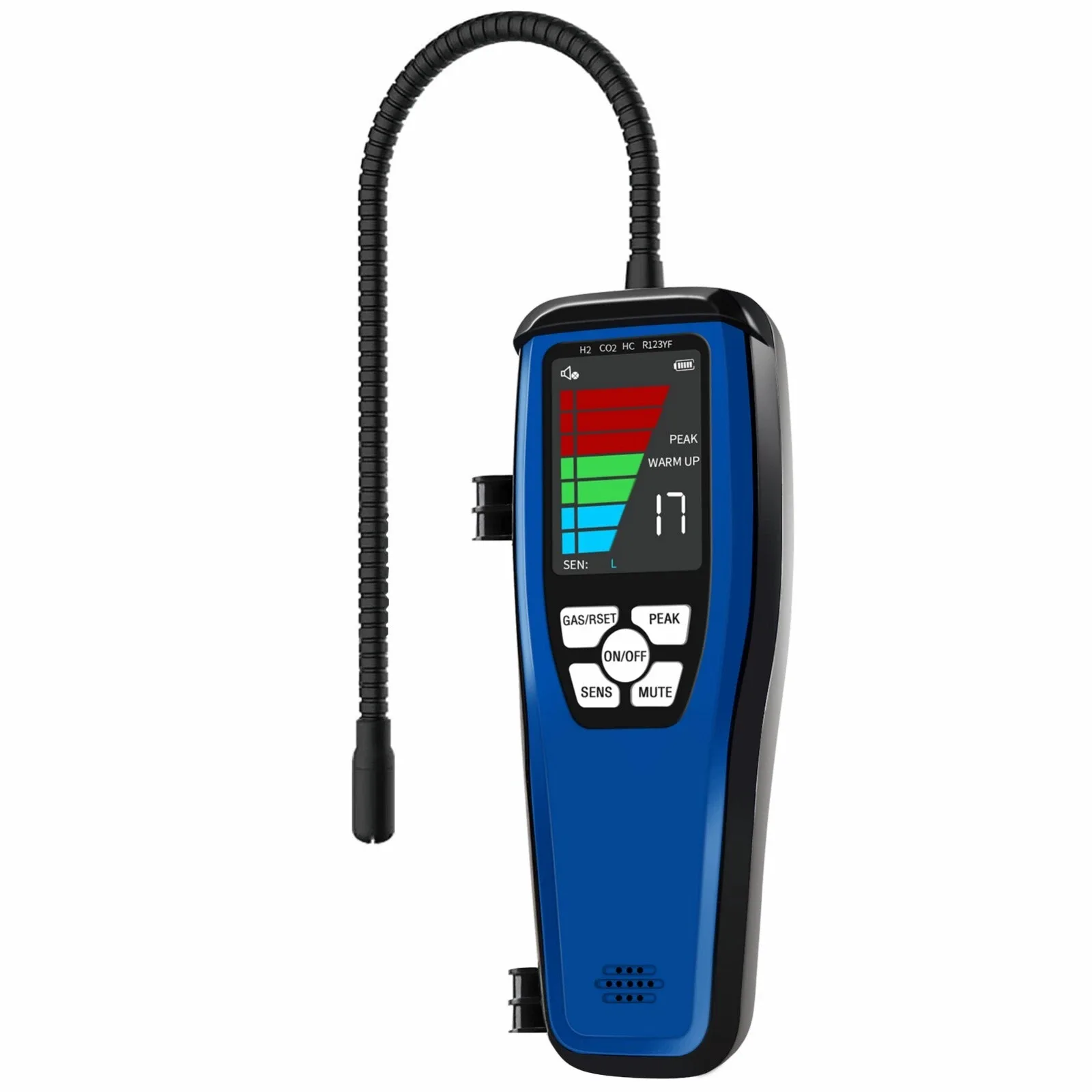
A/C Detector
Automotive A/C leak detectors are electronic or specialized tools designed to quickly and accurately sense refrigerant gases or tracer elements escaping from a vehicle's air conditioning system.
Description
A/C Detector
Automotive A/C leak detectors are electronic or specialized tools designed to quickly and accurately sense refrigerant gases or tracer elements escaping from a vehicle's air conditioning system.
Key Features of Electronic Automotive A/C Detectors
- Flexible Gooseneck Probe: Long (typically 15 to 18-inch) flexible metal probes allow technicians to reach deep into cramped engine bays, around compressors, and near hidden evaporators.
- Audible and Visual Alarms: Rapid beeping sounds and flashing LED lights increase in frequency or intensity as the tip gets closer to the source of the leaking gas. [ Adjustable Sensitivity Levels: Multiple sensitivity ranges let users filter out background contamination in busy shop environments and narrow in precisely on micro-leaks.
- Automatic Calibration (Zero-Tracking): Resets the baseline background concentration automatically at startup or during operation to prevent false alarms from ambient vapors.
- Heated Diode or Tin Oxide Sensors: Advanced heated sensor tips improve response time and accuracy for modern refrigerants like R-134a and R-1234yf while extending sensor lifespan.
- Battery-Powered Portability: Handheld, lightweight, cordless designs powered by standard or rechargeable batteries for convenient maneuverability around vehicles
Specification
| Specification | Heated Diode Detector | Infrared (IR) Detector | Corona Discharge / Halogen |
|---|---|---|---|
| Detection Principle | Refrigerant reacts with a hot ceramic element to alter electrical current. | Measures the absorption of infrared light by the specific gas. | High-voltage electrical spark arcs at the tip; gas disrupts the arc. |
| Sensitivity Limit | High (0.1 to 0.14 oz/year or ~3g/yr). | Extremely High (0.03 to 0.1 oz/year or ~1g/yr). | Moderate (0.2 to 0.5 oz/year). |
| Compatible Refrigerants | R134a, R1234yf, R22, HFCs, HFOs, A2L blends. | R134a, R1234yf, HFCs, HFOs, CO2 (model-specific). | All halogenated gases (CFCs, HCFCs, HFCs like R134a). |
| False Alarm Triggers | High moisture, wind, excessive engine oils. | Virtually none (highly immune to shop chemicals/moisture). | Soap bubbles, moisture, wind, solvents, exhaust fumes. |
| Sensor Lifespan | 1 to 2 years (requires tip replacement). | 10+ years (highly durable optical cell). | 50 to 100 hours of active operation (requires tip cleaning). |
| Warm-up Time | 30 to 45 seconds. | 30 seconds. | 2 to 5 seconds. |
| Response Time | < 1 to 3 seconds. | < 1 second. | Instantaneous (< 1 second). |
| Industry Standards | Meets SAE J2791, CE. | Meets SAE J2913, CE. | Meets older SAE J1627. |
| Power Source | Rechargeable Lithium-ion / AA batteries. | Rechargeable Lithium-ion. | AA or AAA Alkaline batteries. |
Related Products
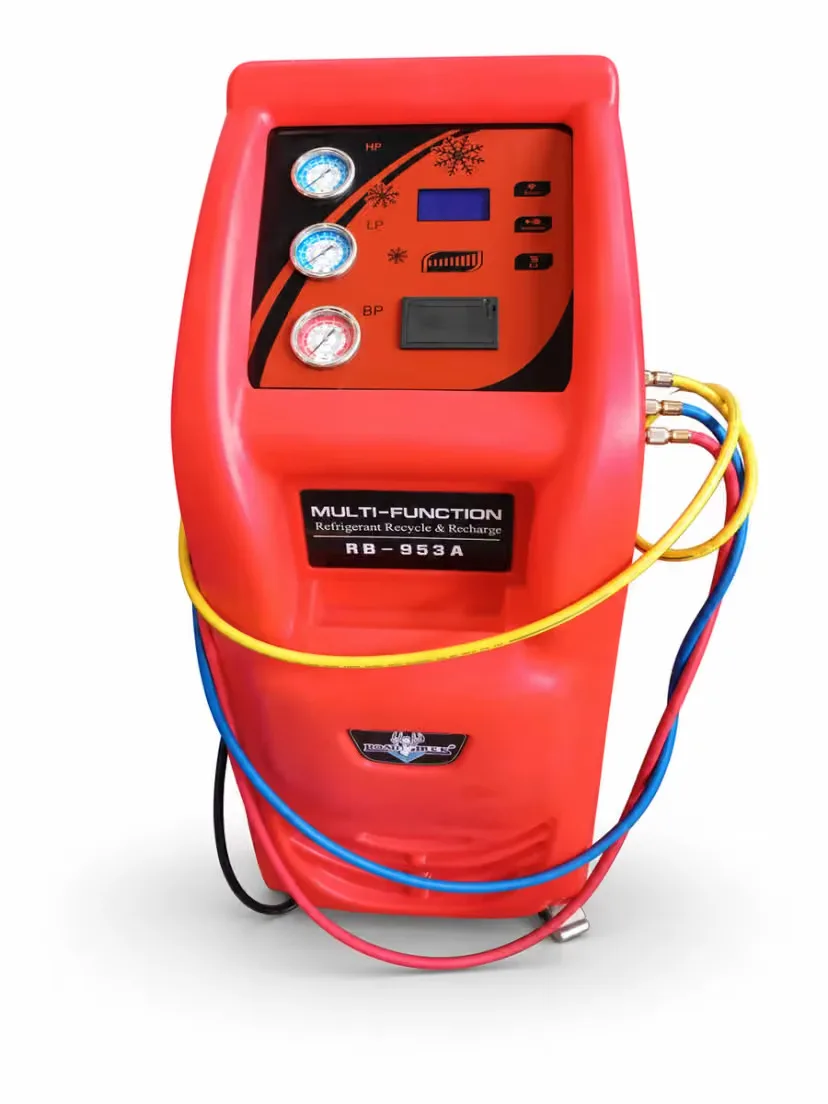
A fully automatic car air conditioner (A/C) gas recovery and charging machine is a specialized workshop device that automates the entire loop of vehicle climate control maintenance.
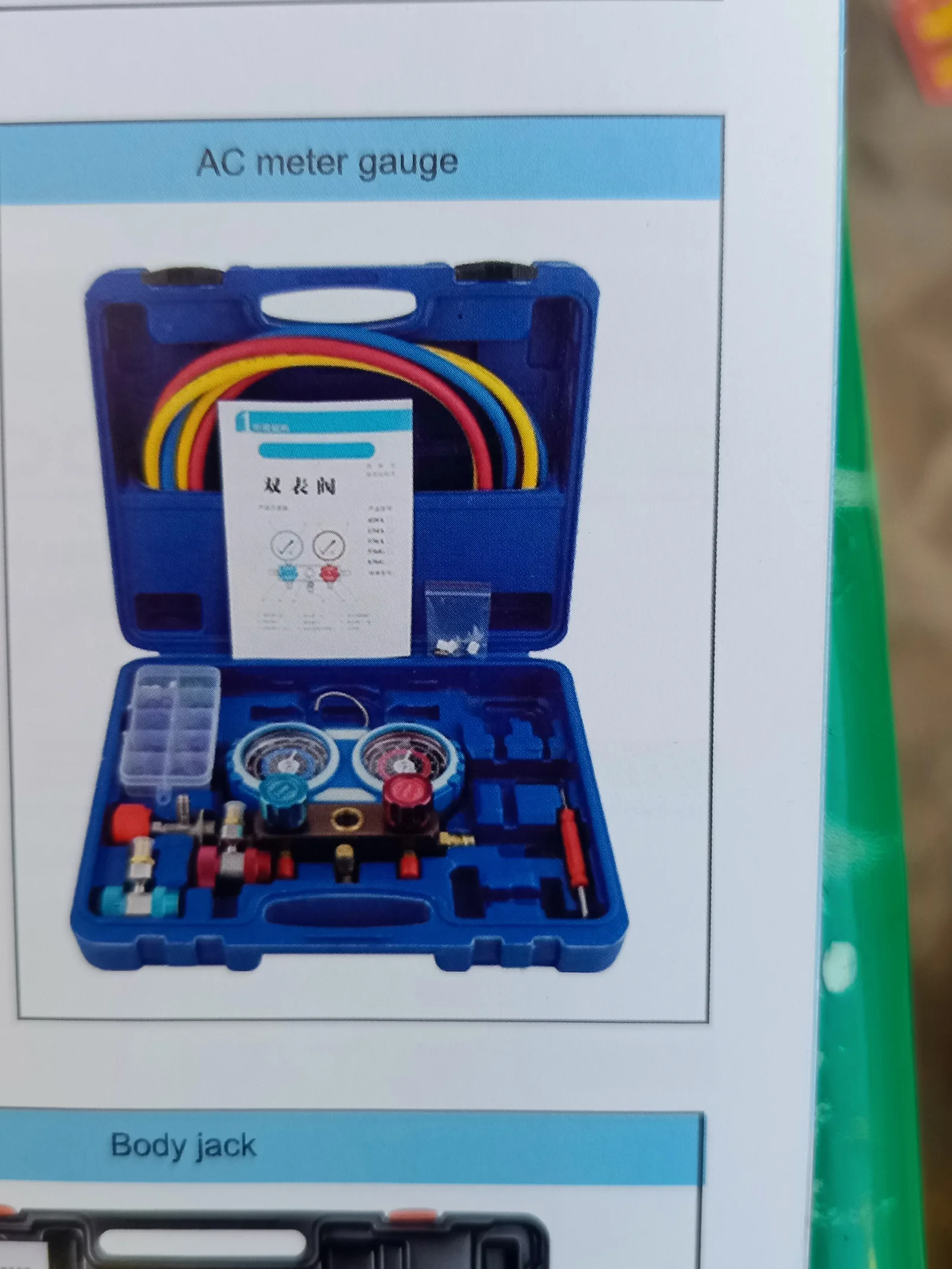
An automotive AC manifold gauge set is a vital diagnostic tool used by technicians and DIY mechanics to monitor pressures, troubleshoot leaks, and safely recharge or evacuate a vehicle's air conditioning system
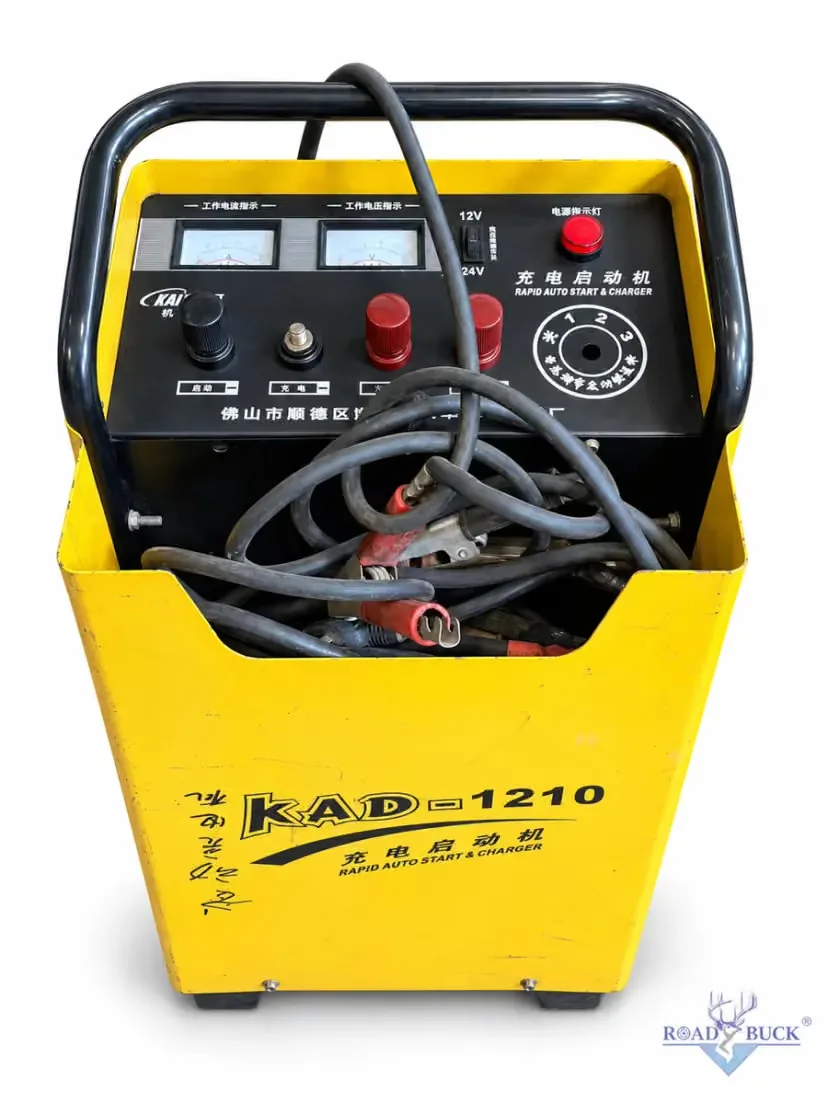
A 150A automotive battery charger is a heavy-duty workshop tool designed to fast-charge 12V or 24V lead-acid, AGM, and gel batteries, as well as provide an emergency 150-amp engine jump-start for cars, trucks, and SUVs.